
We will offer regular news updates through our website, social media and community engagement activities associated with each project.
To keep up to date on new developments, you can check back on our website to find out the latest news, follow us on social media, or sign up to our monthly newsletter, Inside Lane.
The initial idea for the centre is rooted in earlier consultations with community members. These were carried out as part of the Community Street Project and the creation of the Urban Design Strategy created by Fluid Architects in 2019.
The depth of our consultation process, outlined below, demonstrates our commitment to listening to our stakeholders and communities and incorporating their feedback.
This project addresses a number of needs expressed by this community and also addresses our values and mission as an organisation. These are around:
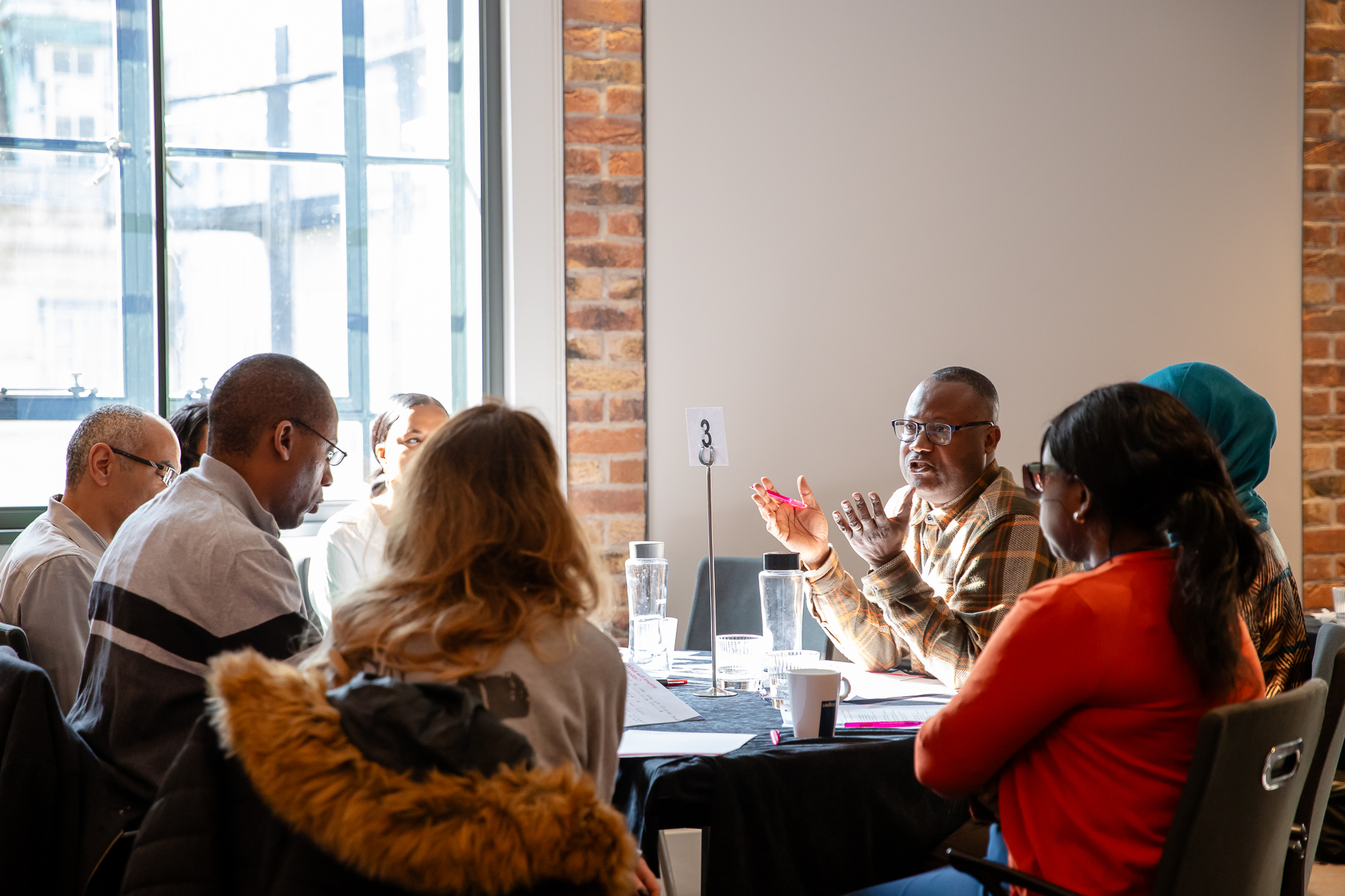
Different stakeholders and communities have different needs and interests which affect their views on the proposed Centre for Urban Sustainability. We have and will offer information sessions, consultation sessions and co-design sessions specifically designed to match the needs of this project. We will also offer decision making opportunities which will be planned on a case by case basis.
Stakeholders have taken part in sessions to feed back on information before the feasibility stage of this project. This shaped the size and scale of the building and the uses that were thought suitable for it. Those sessions also provided some design ideas. Stakeholders contributed and fed back on the vision for the Centre and its suitability for its location.
There have been a number of presentations on a one-to-one basis with individuals and stakeholders. Feedback from these have fed into designs, for example of the greenhouse, the kitchen space and the nursery.
Then there were further sessions after Pre-Application 1, where those who had an ongoing interest were invited to take part and offer feedback on the adjustments to the design, in particular aspects of the outbuildings and their placement. This resulted in a number of design changes.
The first consultations with individuals and groups took place in 2022-3 and 2023-4. Open consultation took place in November 2025 – January 2026.
As part of our wider engagement, we also launched an online survey in October 2024 which was open to everyone who lives and works in the local area. Over a 3 month period, communities were invited to comment on all aspects of the project with 5 key themes emerging. These themes were then examined to shape further adjustments to the building. The themes were:
We are now entering a period of co-design with those who will be most affected by the building to examine opportunities with them to shape specific parts of the interior that they may well occupy.
There will be about 1000msq in the initial building and some are flexible spaces. Currently a laboratory is not planned.
Yes, it is our intention to collaborate with Universities, Colleges and other appropriate Institutes in this country and overseas.
We sought an architect that had a track record in working on bespoke or unique projects and who had skills and a history of making multi-faceted projects developed with and for communities. Civic London / Dan Jones is skilled in this area and specialises in this sector. We wanted someone whom we trusted to work with us through all the complexities of a project and a commitment to understand communities, but who is independent enough to challenge us and bring a strong rationale to choices. Dan had demonstrated all these qualities on a recent community project in East London and it was because of his track record and trust in his skills and creativity that he was introduced to us by our CEO. Trustees met with him at an early stage and agreed he was a good choice. At each stage of the project they have met with Dan to ensure that the project is proceeding in line with the goals.
This was similar to the process we have adopted for the Stable Way area when Paul Tierney was introduced to us by a trustee. And for the Maxilla Gardens Project when George King was introduced to us as the architect and principal designer by Grow to Know.
This is not the only way architects are selected, in other projects we go out to tender. On other projects we have gone out to ‘restricted tender, for example on one project we wanted to specifically engage with architects located in West London. On this project however high-level trust was and is critical.
Dan Jones is a leading community architect in London, co-founding the award-winning practice, Civic London. Recognised for their focus on social infrastructure and environmental excellence, Civic has received the prestigious Architect of the Year Award for Environmental Excellence and two RIBA Awards for the Gamlingay Eco Hub community centre. A over 933m2 GIA the Eco Hub footprint is very similar to the combined footprint of the CUS, with currently totals 949m2 (inclusive of the main building and the primary outbuildings.
Dan’s expertise extends beyond practice. He’s a Design Council Expert, High Streets Task Force Expert, and member of influential design review panels and committees. He has actively contributed to shaping London’s built environment through his work with the GLA’s Specialist Assistance Team (Regeneration). Dan’s passion for ambitious community architecture is further demonstrated by his teaching experience at prestigious universities like Cambridge and the Architectural Association School of Architecture (AA).
Like all of our work, the goal is for our beneficiaries to be involved with and impacted by the Centre for Urban Sustainability, engaging with elements of it on the basis of interest and need.
Arguably, as people who are engaged and using the centre, they are the primary stakeholders. However, at the moment the primary stakeholders are noted below and we are in the process of consulting with all of them. This is an ever-growing list. The most up to date version will be included in our consultation report published in Summer 2026.
We have also consulted with:
We have provided a number of opportunities for people and organisations to shape the project and feedback on the project. All views are recorded and will be reported in documentation.
This depends on who was not supporting the project and their rationale and motives. The project is subject to regular reporting and review and we will complete due diligence on all aspects of this project. We will listen to all feedback and consider the project via all stakeholders and not just hear the loudest voices. Ultimately, the Trustees will take decisions on this project, as with all others, understanding the vision for the Estate and particular areas within it.
Not yet, the Centre for Urban Sustainability has been through two pre-Applications and we are proceeding with further work and consultation before any decision will be made on whether or not to submit for full planning. We have always managed expectations with this project and been clear that the process will take years.
To keep up to date on new developments, you can check back on our website to find out the latest news, follow us on social media, or sign up to our monthly newsletter, Inside Lane.
We know that we will all face environmental pressures, but those living in areas with higher levels of deprivation are likely to suffer the greatest impacts. As such, we have been committed to environmental work for many years to support the communities we partner with. The Centre for Urban Sustainability is not an end in itself, but a continuation of this work which is becoming increasingly more visible through our projects.
The definitions of sustainability are changing all the time. A broad understanding of sustainability means conserving the use of resources such as habitats, raw materials, energy or human labour. Humanity should use these resources in such a way that they can be maintained over a long period of time, rather than being depleted.
The focus can be on environmental, social and cultural and economic. All of these are encompassed in the Centre for Urban Sustainability.
In short, sustainability can be defined as: “to meet the needs of the present without compromising the ability of future generations to meet their own needs.”
We are examining and defining sustainability metrics in the build, the operations, and the programmes.
The sustainability goals/metrics of the building itself will be tested and reported before it is built, and wherever possible will reflect best practice. This will be determined by the reports presented by the design, construction and mechanical and electrical engineering teams and the scrutiny through the planning process.
There will be a sustainability plan for its operations.
The section below outlines our current thinking on draft metrics. This will be one of the subjects of future discussion with communities but we have not yet decided whether this will be part of the discussion before Planning. We may want to share this to maintain momentum and engagement for the Centre either whilst we are waiting for the result of the planning process or in the fundraising period.
Climate change poses profound risks not only to vulnerable regions globally, but also to communities that have been marginalised or overlooked within London itself — as evidenced by the stark differences in life expectancy in North Kensington. To date, mainstream approaches to sustainability have too often produced a limited, monolithic view of those most affected by climate impacts, both historically and in the future. Sustainability is frequently framed as a “middle-class phenomenon grounded in post-materialist value orientations” (Sateesh, 2021, p. 51), obscuring the structural inequalities that shape exposure, vulnerability, and access to solutions.
The Centre for Urban Sustainability (CUS) offers North Kensington a means to challenge these power dynamics and inequalities. By adopting an intersectional lens, the Centre enables member organisations, residents and beneficiaries to organise more effectively around social justice, environmental health, and inclusive development — addressing issues tied to gender, class, and institutional racism.
As a community-driven hub for education, applied research, and green skills development, the Centre will function as a catalyst for transformative learning and action. Guided by a Theory of Change framework, CUS provides a clear logic model demonstrating how inputs will translate into measurable, systemic impact. The following metrics outline how the Centre’s activities can communicate capacity building, social inclusion, behavioural change, and economic resilience.
Possible Metrics
Purpose:
The Trust leverages cross-sector expertise to build an inclusive, knowledge-rich hub for sustainability learning and practice.
2. Outputs
Possible Metrics
Purpose:
The Trust seeks to build a culture of sustainability literacy and local innovation.
3. Outcomes (Short–Medium Term)
Possible Metrics
Purpose:
To empower organisations and residents to become active agents in the sustainability transition, rather than passive recipients of external aid.
4. Impact (Long-Term Systemic Change)
Impact evaluation will be strengthened through partnerships with academic institutions such as Imperial College and Brunel University, helping to establish causation and long-term value.
Possible Impact Metrics
Purpose:
To contribute to a resilient, inclusive, low-carbon local economy and a more informed, empowered citizenry.
The Trust presents the Centre for Urban Sustainability to the community on the following 4 pillars:
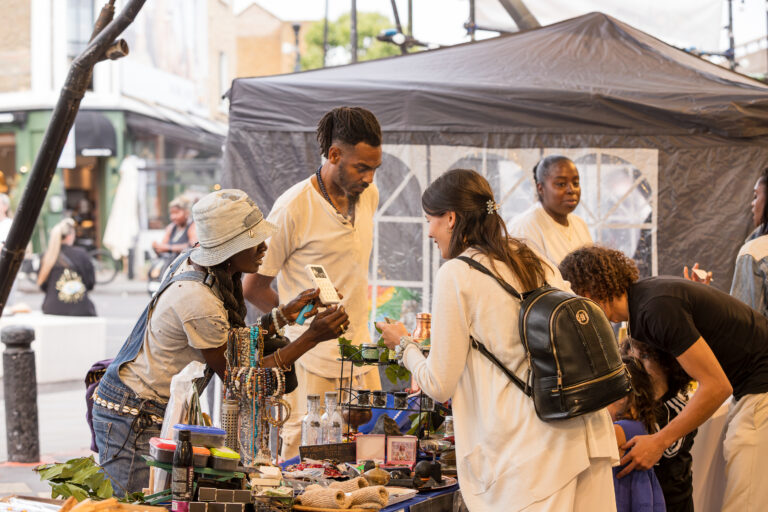
The UK’s sustainability transition will require tens of thousands of new roles across energy, construction, waste, biodiversity, water, and circular-economy sectors. The Centre will serve as a community pipeline for these emerging opportunities.
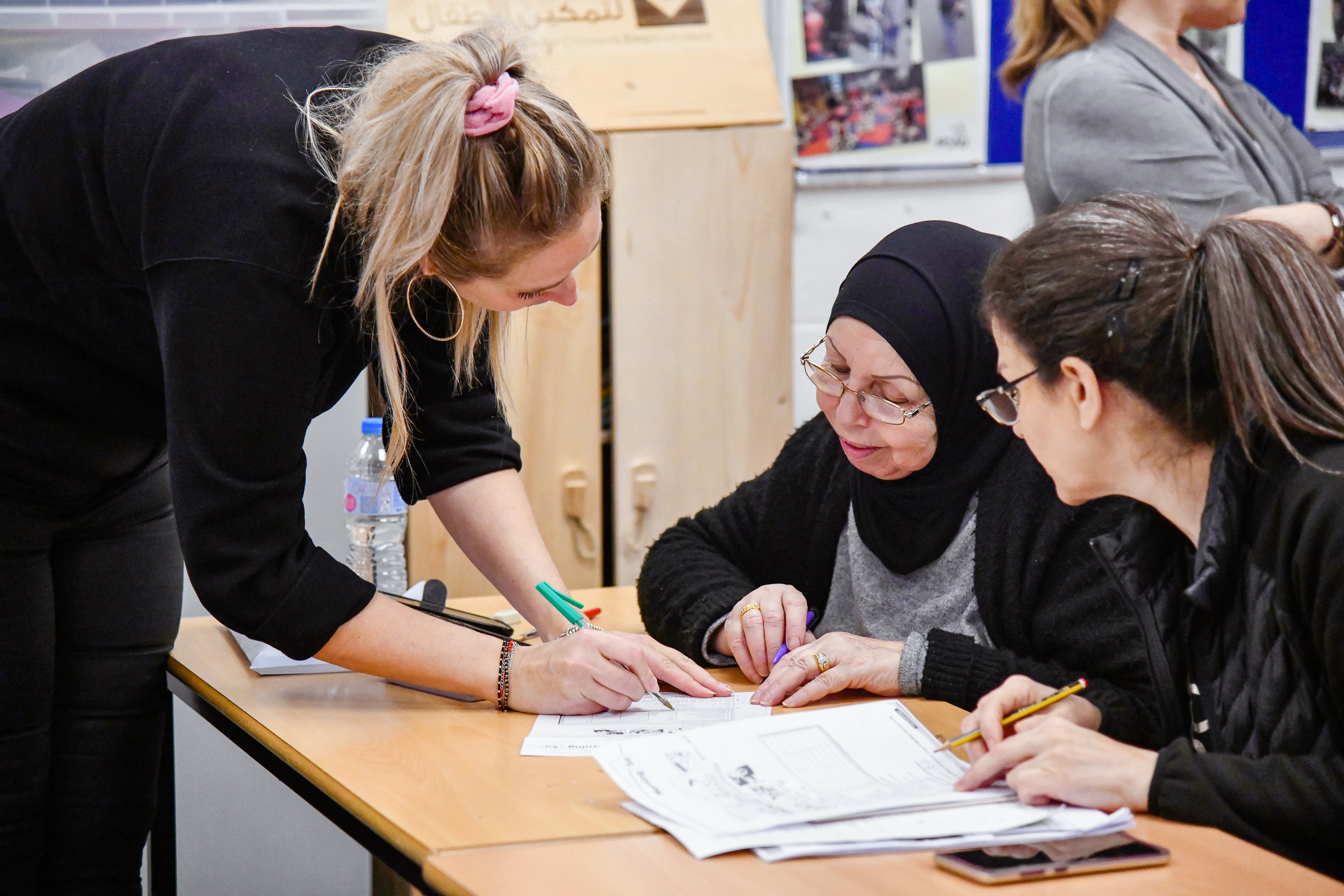
Sustainability knowledge, like physical infrastructure, underpins long-term social and economic progress. The Centre will provide this foundational capacity.
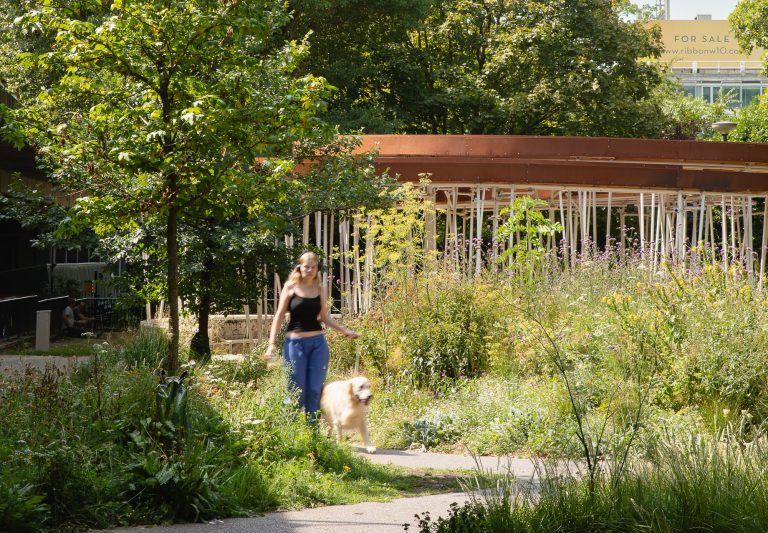
The Centre will be co-created with the community, ensuring relevance, dignity, and genuine empowerment rather than externally imposed solutions.
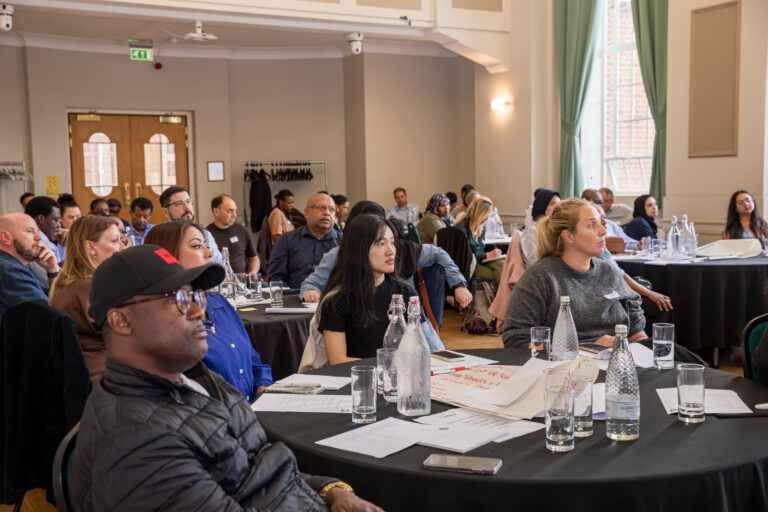
The Trust will provide governance, fiduciary oversight, and continuity, ensuring transparency, accountability and alignment with national and global sustainability objectives.
Sign up to our newsletter